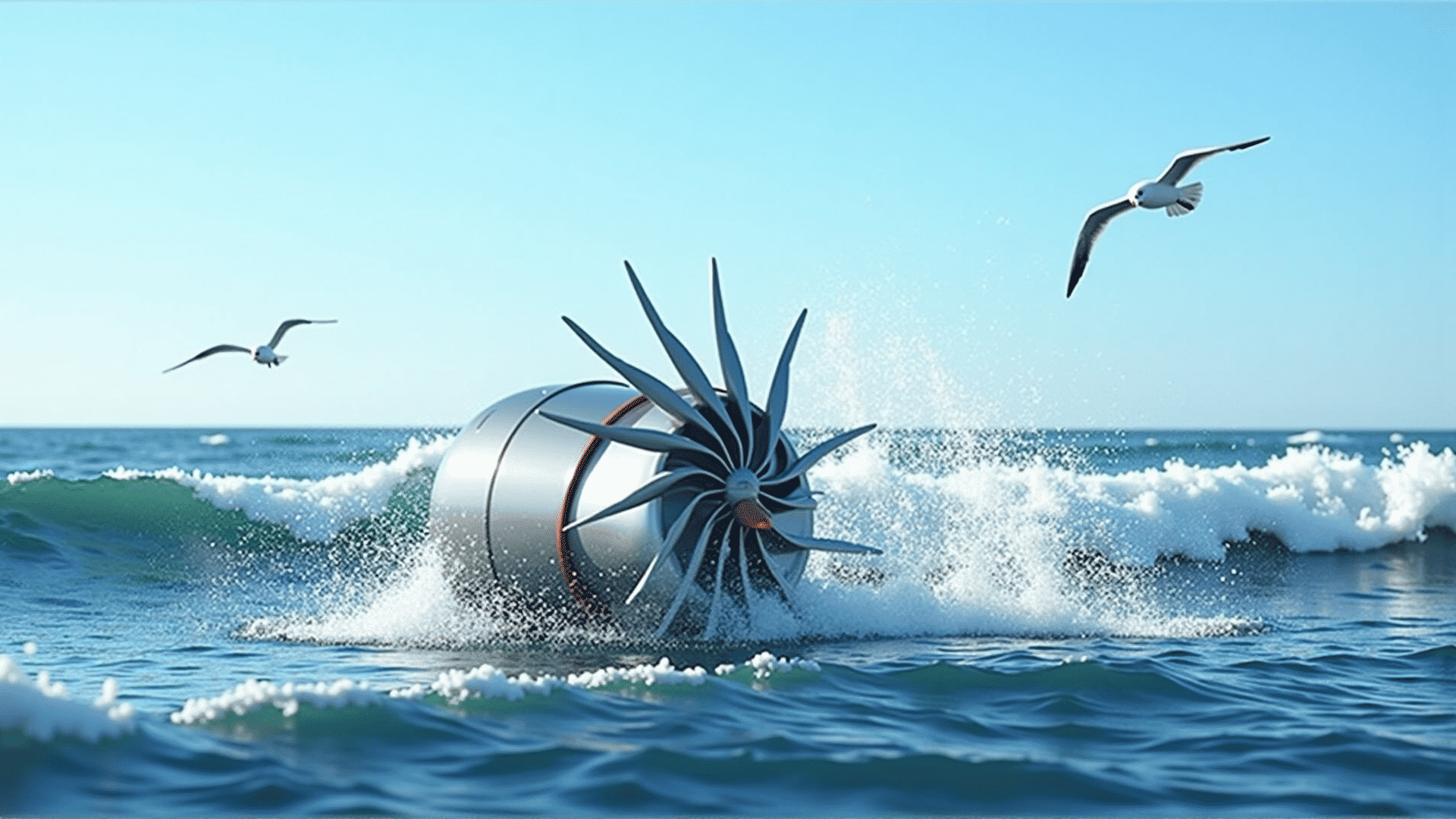
As the global community grapples with the pressing need to transition to renewable energy sources, the vast, untapped potential of ocean energy emerges as a promising candidate. Ocean energy, which encompasses tidal, wave, and ocean thermal energy, offers a significant opportunity to generate sustainable power. However, realizing this potential requires a deep dive into the existing technologies, the challenges faced, and the future prospects of ocean energy as a reliable power source.
The allure of ocean energy lies in the sheer magnitude of the world's oceans which cover over 70% of the Earth’s surface. The constant movement of waves and tides, as well as temperature differences in ocean waters, provide a continuous source of energy. Among the most developed ocean energy technologies are tidal energy converters and wave energy devices. Tidal energy, in particular, has seen significant advancements, exploiting the natural ebb and flow of coastal tidal currents to drive turbines that generate electricity. Projects like the MeyGen tidal array in Scotland exemplify how tidal power can become a scalable energy solution.
Wave energy technology, which harnesses kinetic energy from surface waves, has also shown promise but remains in a less mature state than tidal energy. Devices like point absorbers, oscillating water columns, and attenuators are tested in trial projects worldwide. Still, the variability of wave strength and the harsh marine environment present ongoing design and maintenance challenges.
Ocean thermal energy conversion (OTEC) exploits the temperature difference between warmer surface water and cooler deep water, generating electricity through a heat engine. While OTEC offers the potential for consistent power generation, its efficiency is currently limited, and its implementation remains costly compared to other renewable technologies.
Despite the promise of ocean energy, several challenges must be addressed to advance the sector. The harsh and unpredictable marine environment can hamper the durability and operation of devices. High initial investment costs and technological barriers also pose significant obstacles. Moreover, environmental and ecological impacts on marine life require careful consideration to ensure sustainability.
However, the future prospects of ocean energy are buoyed by technological innovation and growing interest from governments and private investors alike. Advances in materials science, robotics, and data analytics are paving the way for more robust and cost-effective devices. Policies and incentives that support renewable energy adoption are also crucial, with nations like the UK, France, and Australia playing pivotal roles in advancing ocean energy technologies through investment and research.
Collaborative international efforts could accelerate these advancements, as shared knowledge and expertise will be vital in overcoming common challenges. The expansion of demonstration projects and pilot programs can further bolster confidence in the reliability of ocean energy.
Ultimately, as we look toward a future where the demand for clean energy continues to rise, ocean energy holds substantial promise. By prioritizing research, fostering innovation, and supporting initiatives that bridge the divide between concept and commercial application, the global community can move towards an era where ocean energy significantly contributes to a sustainable energy future. As we harness the power of the ocean, we edge closer to achieving a more resilient and sustainable energy ecosystem for generations to come.