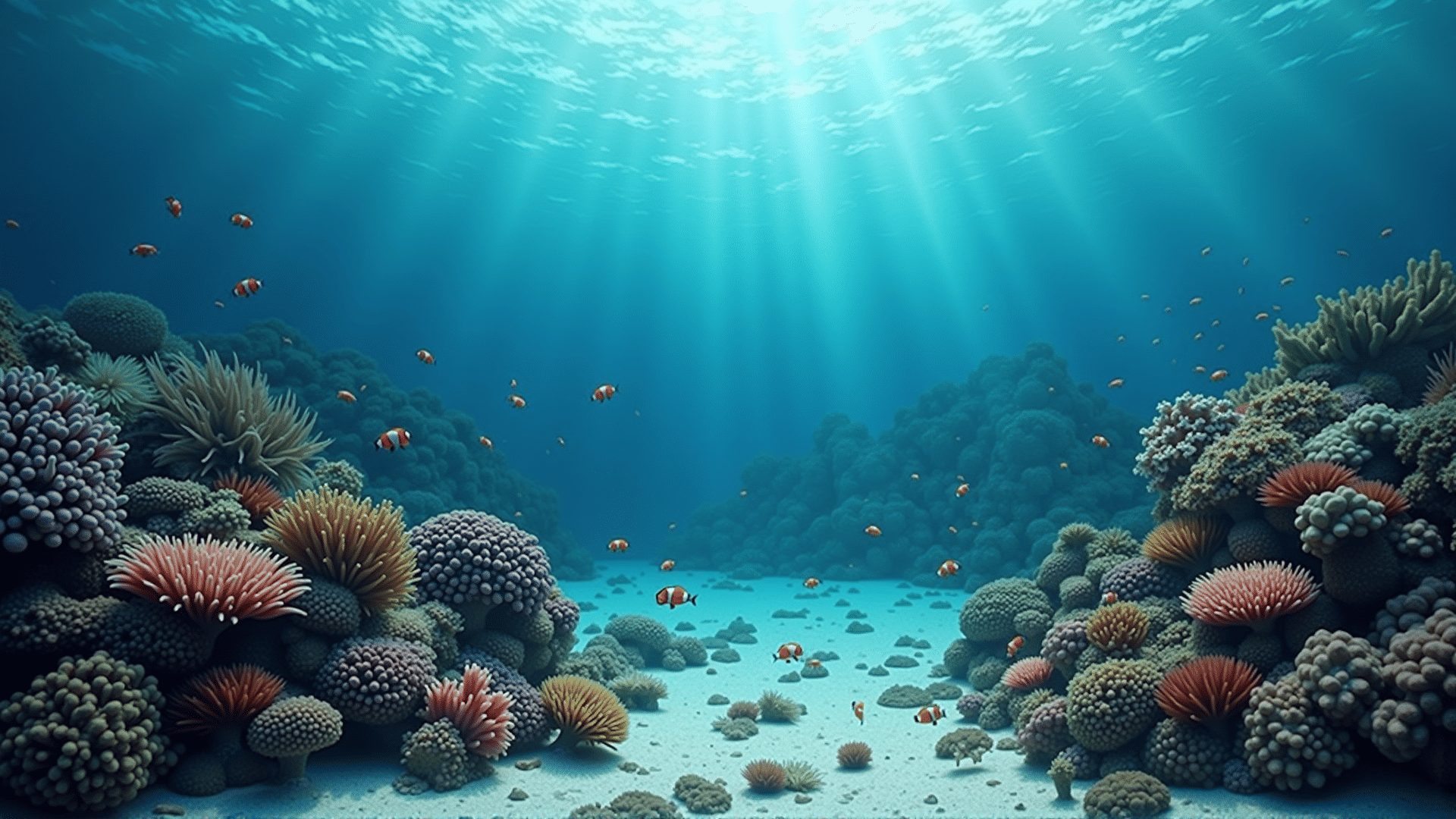
Climate change is an unfolding crisis that significantly impacts every corner of the planet, but its effects are especially profound in our oceans. As the Earth's climate has shifted over the past few decades, marine life has borne the brunt of these changes, resulting in stark consequences for biodiversity and ecosystem health.
Rising Ocean Temperatures
One of the most significant impacts of climate change on marine environments is the rise in ocean temperatures. As human activities continue to emit greenhouse gases, the oceans absorb much of this excess heat, leading to warmer waters. Higher temperatures can disrupt the delicate balance of marine ecosystems. Many species, like certain types of coral, are highly sensitive to temperature changes. Coral bleaching events, where corals expel the algae that give them color and nourishment, have become more frequent and severe, leading to massive loss of these vital marine habitats.
Ocean Acidification
Another critical issue is ocean acidification, resulting from the increased uptake of atmospheric CO2 by ocean waters. The added carbon dioxide reacts with seawater, reducing pH levels and creating a more acidic environment. This process harms calcifying organisms like mollusks, crabs, and corals, whose shells and skeletons begin to dissolve. The disruption at this foundational level of the food chain reverberates throughout marine ecosystems, threatening food security for millions of people worldwide.
Loss of Biodiversity
Climate change accelerates the loss of biodiversity in marine environments. Species are forced to adapt quickly to changing conditions or migrate to more suitable habitats. This migration can lead to shifts in species distributions, resulting in ecological imbalances. The arrival of new species into ecosystems can disrupt established food webs, outcompeting native species for resources, and potentially leading to their decline or extinction.
Impacts on Marine Ecosystems
The health of entire marine ecosystems is jeopardized by climate change. Coastal habitats, such as mangroves and seagrass beds, which act as nurseries for many marine species, are under threat from rising sea levels and increased storm intensity. These ecosystems also play a crucial role in carbon sequestration, and their loss can further exacerbate climate change by releasing stored carbon back into the atmosphere.
Urgent Measures Needed
Addressing the impacts of climate change on marine life requires urgent and comprehensive action. Efforts to reduce greenhouse gas emissions are paramount. Transitioning to renewable energy sources, improving energy efficiency, and adopting sustainable practices can help slow the rate of climate change. Additionally, the establishment and enforcement of marine protected areas can safeguard critical habitats and allow ecosystems and species time to adapt.
Furthermore, supporting research and monitoring programs is vital to understanding and mitigating the effects of climate change on marine biodiversity. Public awareness and education campaigns can empower individuals and communities to take action and advocate for policy changes necessary to protect marine life.
In conclusion, the impact of climate change on marine life is profound and far-reaching. The challenges are immense, but with urgent action and a commitment to sustainability, it is possible to protect and preserve the rich biodiversity and vital ecosystems of our oceans. The health of our planet and future generations depends on the decisions we make today.