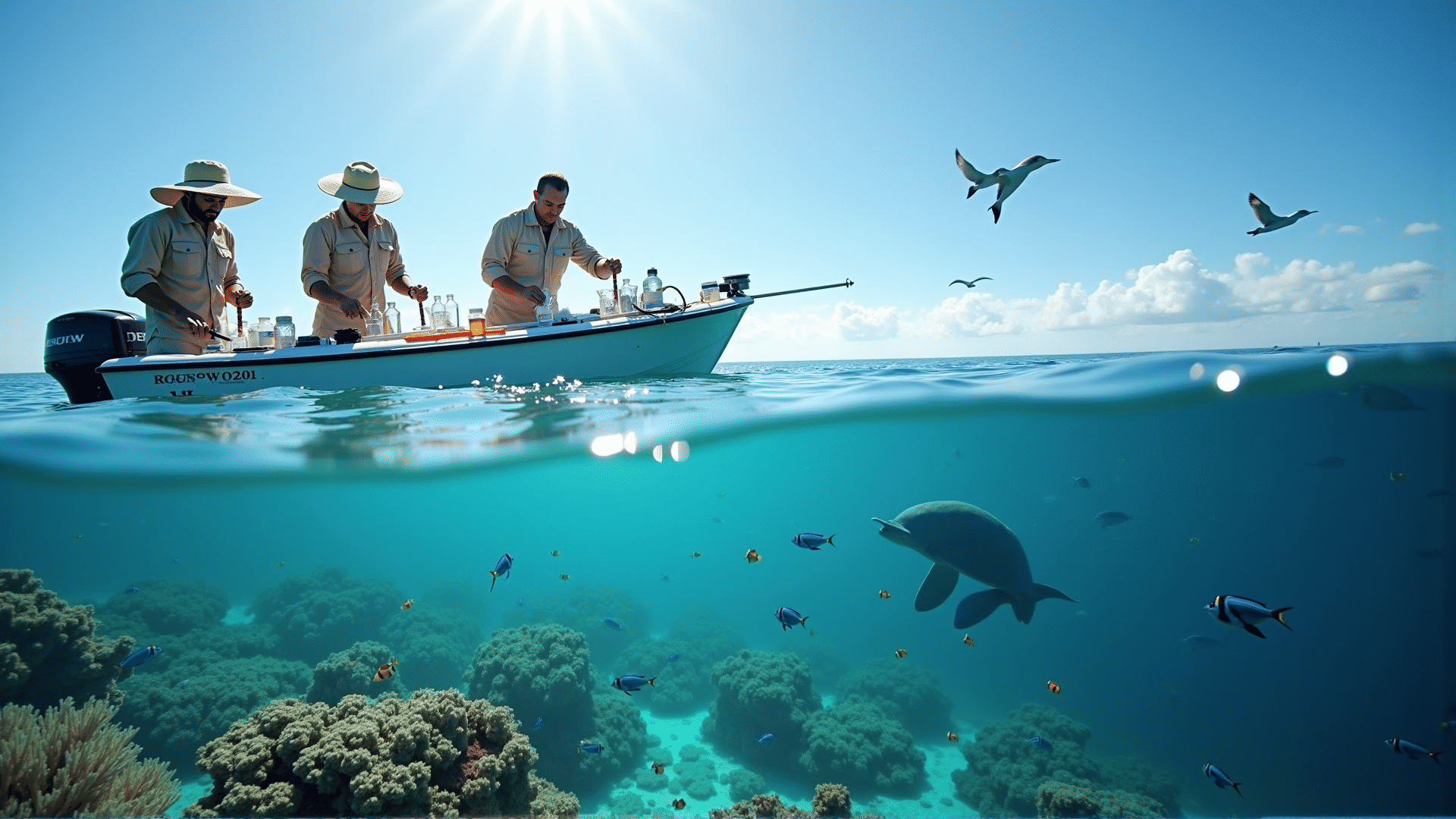
The health of our oceans is a barometer for the well-being of the entire planet. With the increasing impact of climate change, overfishing, and pollution, the sustainability of marine environments is more pivotal than ever. Fortunately, innovative solutions are being developed to address these pressing concerns and ensure a sustainable future for our oceans and marine life.
One of the promising approaches is the implementation of Marine Protected Areas (MPAs). MPAs are sections of the ocean designated for conservation purposes, which serve to protect ecosystems from human activities that could harm aquatic life and habitats. By restricting activities such as fishing, drilling, and tourism in these areas, MPAs allow ecosystems to recover, increases biodiversity, and enhances the resilience of marine life against climate change.
Advancements in technology also provide sustainable solutions. For instance, the rise of satellite and drone surveillance allows for better monitoring of illegal fishing activities, which is a significant threat to fish populations globally. These technologies provide real-time data that can be used to track and regulate fishing activities effectively, ensuring that marine resources are used sustainably.
Another groundbreaking innovation is the development of bioengineered coral reefs. As natural reefs decline due to warming waters and acidification, scientists have turned to technology to create resilient coral species that can withstand harsher conditions. These bioengineered corals have the potential to regenerate and restore damaged reef ecosystems, preserving habitat for countless marine species.
Furthermore, the shift towards sustainable aquaculture is helping to alleviate pressure on wild fish populations. Traditional fishing practices have led to the depletion of many species, disrupting the balance of marine ecosystems. Sustainable aquaculture operations, which focus on minimizing environmental impact and encouraging biodiversity, offer an alternative by providing a controlled environment for fish farming that reduces by-catch and habitat destruction.
Community involvement is also a critical component of these sustainable initiatives. Empowering local communities to manage and protect their own coastal and marine resources fosters a sense of stewardship and responsibility. Programs that integrate traditional knowledge with modern conservation techniques can lead to more effective management and sustainable use of marine resources.
Lastly, reducing ocean pollution is essential in preserving marine environments. Strategies such as improving waste management practices, reducing single-use plastics, and promoting biodegradable materials offer considerable promise. Cleanup initiatives further contribute by removing existing debris from ocean waters, which protects marine life from ingesting plastics and other hazardous materials.
In conclusion, ensuring sustainable oceans and marine life requires a multifaceted approach, integrating technological innovation, policy implementation, community empowerment, and pollution reduction. By committing to these solutions, we can pave the way for a future where our oceans do not just survive but thrive, benefiting both the environment and humanity for generations to come.